26 February 2026
Gambling
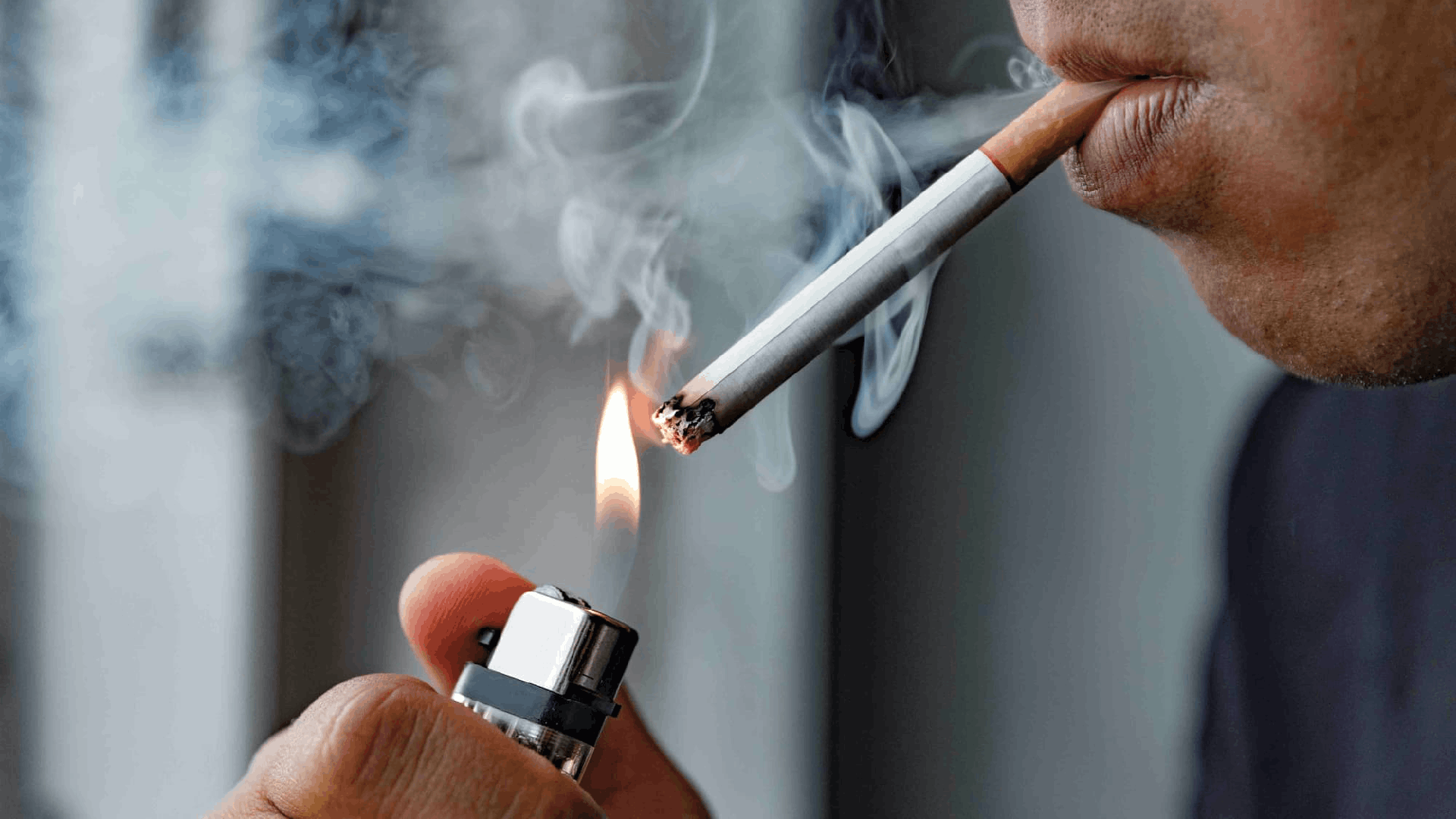
In an effort to end indoor tobacco use at the nine resorts, Atlantic City casino employees and a union representing 6,000 gaming workers along the New Jersey Shore have petitioned the state Supreme Court to step in.
A state appellate court determined last month that a Superior Court judge erred in his evaluation of a complaint filed by the United Auto Workers (UAW) and CEASE (Casino Employees Against Smoking Effects) contesting the validity of New Jersey's 2006 Smoke-Free Air Act. The rule allowed Atlantic City casinos to set aside 25% of their gaming floor for the smoking of cigarettes and cigars.
Since then, the case has been brought back to Superior Court, where CEASE and the UAW are still getting ready to launch an onslaught against the 2006 statute. The state of New Jersey, Governor Mikie Sherrill (D), and NJ Health Commissioner Dr. Raynard Washington are the defendants. In July, an evidentiary hearing is scheduled.
CEASE and UAW are requesting intervention from the New Jersey Supreme Court in the interim. A grassroots organization called CEASE is made up of casino employees who wish to work in an environment free from secondhand smoke. About 6,000 Atlantic City casino workers are represented by UAW Region 9, including over 1,200 dealers who are disproportionately affected by smoking.
The plaintiffs are asking the New Jersey Supreme Court to rule on whether the state's 2006 smoking ban for casinos violates the constitutional rights of employees.
The Garden State Constitution, which declares that "all persons... have certain natural and unalienable rights, among which are those of enjoying and defending life and liberty, of acquiring, possessing, and protecting property, and of pursuing and obtaining safety and happiness," is cited in the CEASE and UAW petition. The phrase "pursuing and obtaining safety" is emphasized in the Supreme Court petition.
Judge Patrick Bartels of the New Jersey Superior Court agreed with the state in August 2024 that a casino employee's constitutional right to pursue health and safety is not violated by the Smoke-free Air Act. Bartels reasoned that looking for work in a smoke-free setting is not prohibited by the law.
According to the appellate court, Bartels failed to take into account conflicting economic research regarding the potential effects of a smoking ban on the Atlantic City casino sector. The appellate judges emphasized that their ruling was an instruction for the lower court to rectify its "mistaken approach in applying the required constitutional methodology" rather than a "public policy decision."
According to the Casino Association of New Jersey, a smoking ban would be disastrous, forcing many smokers to move their gambling operations to nearby Philadelphia or online. According to a study that the casinos commissioned, smoke-free casinos would destroy the Atlantic City economy and result in widespread layoffs.
According to a comparable study that CEASE supporters commissioned, a smoking ban no longer significantly reduces gaming revenue. According to the study's findings, smoke-free casinos may potentially see increases in income as smoking rates continue to drop.
In the upcoming weeks, the New Jersey Supreme Court will make a decision regarding the casino smoking case. Less than 10% of the petitions that the state's supreme court gets each year are usually accepted.
July was the third consecutive month that Atlantic City's in-person gross gaming revenue (GGR) increased year over year. It coincides with difficult .. Read more

Proposals to permit Division I, II, and III student-athletes to wager on professional sports are likely to be approved by the NCAA. In May, Todd Shrib .. Read more

With effect from December 1, 2025, Penn Entertainment and ESPN have mutually decided to end their US online sports betting collaboration early. Changi .. Read more
© TheRealGamble, 2026. All rights reserved